
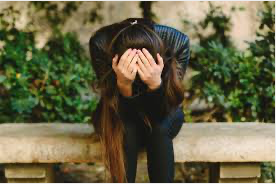
 One of the worst things about being in an abusive relationship is realizing that the only person who can get you out, is you. The moment you realize you have to get out is also often the moment you finally acknowledge how terrifyingly impossible, getting out will be. All at once you know that even if you do have enough money and somewhere safe to go, something will happen. You don't know exactly what will happen but it will definitely happen at work, to your kids, parents, friends, family and anybody else who tries to help you. Something will happen and it will all be your fault so perhaps it's better if you stay.
The controller in an abusive relationship doesn't have to lock you in a house or tie you with ropes and restraints. If they've done their job well, they can let you pretend you're free and you'll do their hard work for them. You'll know that you can't do this or speak to that person because that same old something will happen. You can't define what the something is but over time, that something defines you. It defines you as a loser because even if you have argued back or tried to stand your ground in your relationship, your words were quickly silenced. It defines you as weak because, 'why else would you put up with this shit?" It defines you as wrong because you were warned by several people but you didn't listen to the warnings of a jealous ex or, your friends & family.
There's no point leaving if you're wrong because if you're wrong here, you'll be wrong everywhere, won't you? Isn't it better to stay where your wrongness is needed and accepted?
One of the biggest obstacles you have to overcome to truly escape an abusive relationship is, to not be who your abuser needs you to be. An abuser needs you to be weak, wrong, helpless, hopeless and frightened so they can enforce their control. Being the weaker party is a condition of the contract you unknowingly agreed to when you entered into the relationship and although you weren't made aware of that, it's often your own sense of integrity, obligation and fairness that makes you suffer to serve another person's needs.
The need for victims to be weak extends well beyond personal relationships. Police, lawyers, juries, doctors and society itself demands to see a helpless victim, a poor broken soul they can judge worthy of their pity or not. Any deviation from that is held triumphantly aloft as unquestionable proof of guilt and culpability. But what are you guilty of?
Not Safe at Home turns popular perceptions of abuse and domestic aggression on their head. It's aimed at people who've been victimized but don't want to live the legacy of a victim. It's founder, Lucy Munro was victimized throughout her childhood by extremely abusive parents. She says, "I lived most of my life trying to fit the stereotype so I could get the help I needed to recover. I failed miserably, blamed myself and subsequently ricocheted from one emotional crisis to the next but the injustice I suffered by not being helped, turned out to be my salvation."
Lucy went on to create a Self-Help Therapeutic Technique to help people understand trauma and recover without a reliance on specialist therapeutic care or intervention. It's called The Amazing Munro Method or TAMM for short and she's currently writing a version for people who were abused by their parents. You can catch up with it's progress and follow her work on Instagram.
Childhood abuse condemns many people to a life of domestic insecurity and violence. Current strategies to help vulnerable people in abusive relationships require you to tiptoe apologetically out of a relationship then play cat & mouse with an obsessed maniac, hoping you won't be caught and killed for daring to escape their suffocating control. When are we as a society going to stop this legitimized torture? When are the perpetrators of violence going to be scrutinized and made accountable for their violence? Worryingly, signs indicate that the legal protective services women have fought so hard for are in fact being eroded in the UK and financial support removed from core groups who support people victimised in their home. Not Safe at Home is committed to help reverse that trend and help strengthen people controlled by fear.